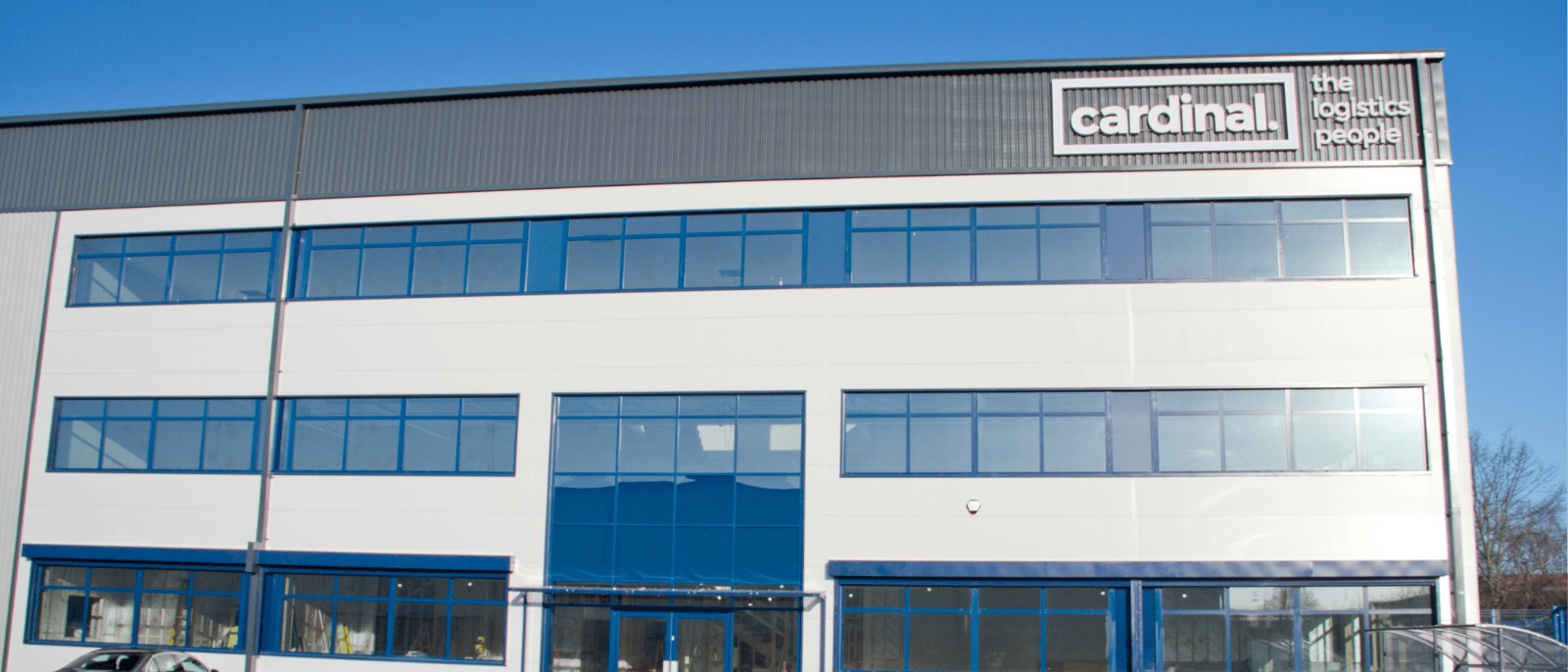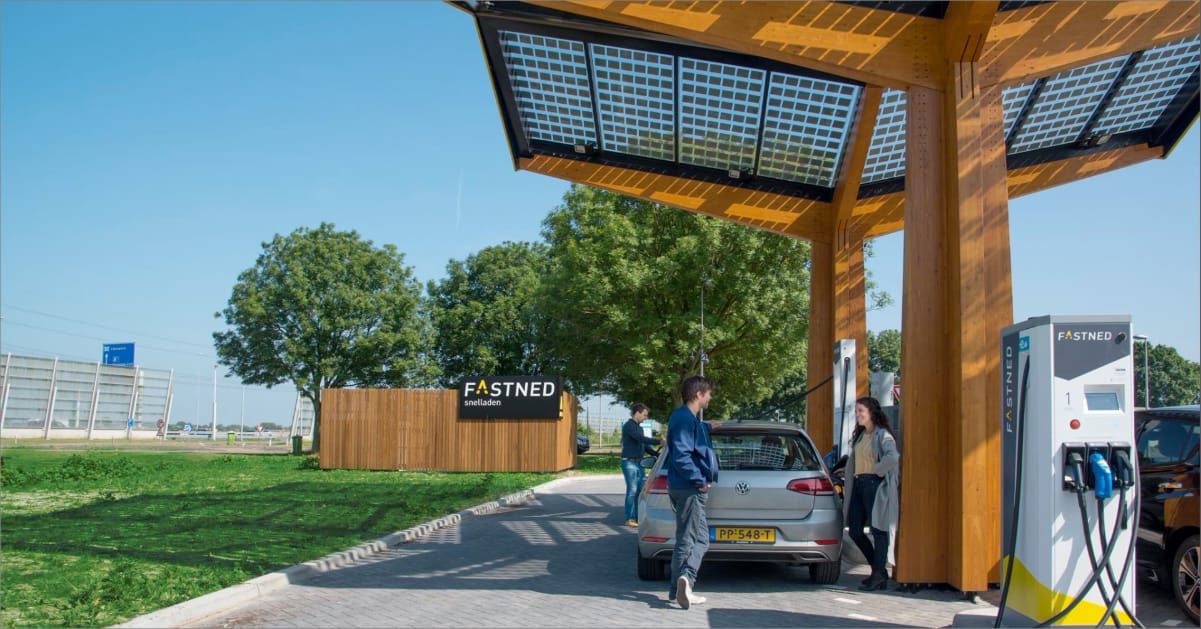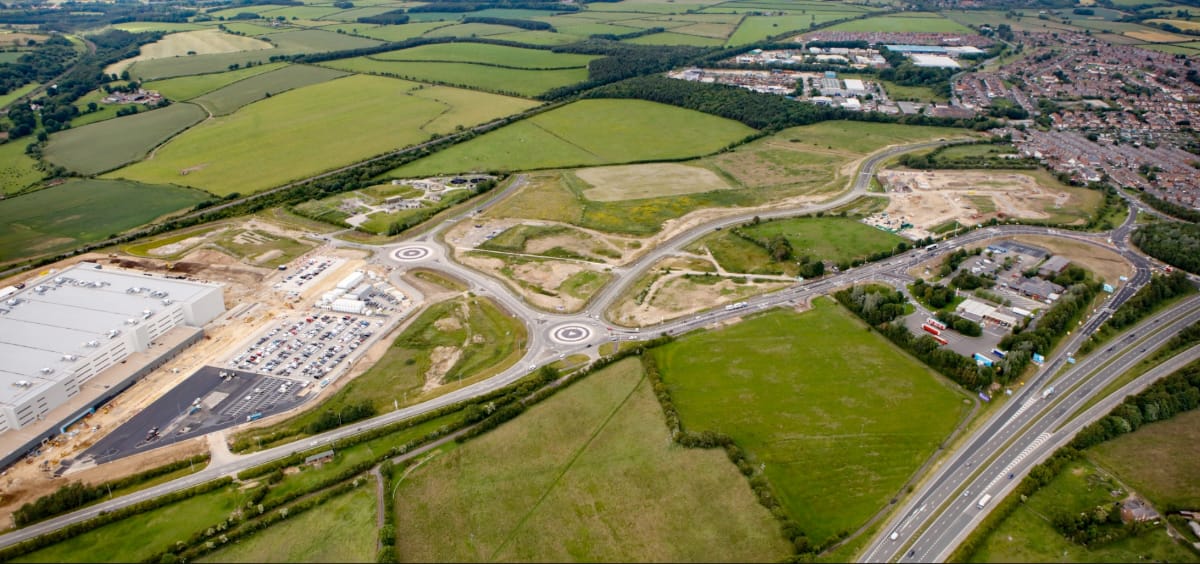
Energy infrastructure construction in the UK has changed pace and character. What was once the domain of large, centralised assets now sits within commercial developments, industrial estates, logistics hubs, and mixed-use sites. Battery storage, EV charging, on-site generation, and private networks are becoming standard considerations rather than specialist add-ons.
That shift has increased complexity on site. Energy infrastructure is often delivered alongside live operations, within constrained footprints, and under tighter planning scrutiny. When issues arise, they rarely announce themselves early. They surface gradually, then compound into redesigns, delays, or reduced system performance.
Based on delivery experience across UK energy and commercial infrastructure, these are five construction challenges that consistently affect programme certainty, buildability, and long-term asset value.
Grid Capacity is Assumed, Not Proven
One of the most common early mistakes in energy infrastructure projects is treating grid capacity as a given. A site may appear well connected on paper, or a nearby substation may suggest available headroom. That assumption often carries through design far longer than it should.
In reality, grid capacity across much of the UK is under sustained pressure. Electrification, new commercial development, and decentralised energy schemes are drawing on networks that were not designed for current demand. Capacity that existed a few years ago may already be allocated, with reinforcement works required even for projects that appear modest in scale.
Construction impact tends to surface late. Programmes are developed around build readiness, only to stall while connection dates move. Equipment sits idle. Commissioning windows close. Sequencing becomes reactive rather than planned.
Grid constraints should shape the project from the outset. Load assessments need to be accurate and realistic. Phasing strategies should be developed with early engagement from the Distribution Network Operator. Where flexibility is possible, infrastructure should be designed to operate within constrained capacity while allowing expansion later.
In energy construction, grid access is not a background utility issue. It is a primary delivery constraint.
Planning Approval is Mistaken for Construction Certainty
Planning consent is often treated as the point at which risk reduces. For energy infrastructure, it rarely works that way.
Conditions attached to approval frequently carry direct construction implications. Noise limits, visual screening requirements, environmental controls, and operational restrictions all influence how systems are installed and operated. When these constraints are not fully integrated into technical design, they reappear during construction.
This typically leads to late-stage design revisions. Equipment layouts are adjusted to meet acoustic limits. Enclosures are redesigned to satisfy visual conditions. Access routes change once logistics constraints become clear. Each revision creates knock-on effects across civil, electrical, and mechanical packages.
The issue is not regulation itself. It is the disconnect between planning strategy and construction methodology.
Planning conditions influence technical design early on successful projects. Buildability is tested sooner, equipment selection reflects site constraints, and construction sequencing follows approval requirements rather than adapting late.
Construction certainty comes from translating consent into practical, buildable solutions.
Interfaces Fail Where Responsibility is Unclear
Energy infrastructure projects are defined by interfaces. Foundations must align precisely with plant tolerances. Cable routes must integrate with structures, drainage, and access requirements. Control systems must communicate across on-site assets and the wider network.
When interface responsibility is unclear, risk accumulates quietly.
Issues often emerge during installation rather than design review. A foundation is complete but incompatible with incoming equipment. A cable route clashes with another service. Temporary work assumptions differ between contractors. Individually, these problems appear minor. Collectively, they disrupt programmes and erode confidence.
This is frequently a procurement issue as much as a technical one. When packages are let independently, no single party owns the joins between them. Each contractor delivers their scope, but the gaps remain unmanaged.
Effective construction planning treats interfaces as critical activities. Scope boundaries are defined clearly. Tolerances are agreed early. Sequencing is driven by how systems integrate, not simply by trade availability.
In energy infrastructure, the joins matter as much as the components.
Procurement Timelines Drive the Programme
Specialist equipment sits at the heart of most energy infrastructure projects. Transformers, switchgear, inverters, battery systems, and control hardware are not items that can be sourced late without consequence.
Yet procurement is still too often treated as a downstream activity. Specifications are finalised late. Orders follow completed design. Lead times then dictate the programme rather than supporting it.
The outcome is predictable. Construction pauses while critical equipment remains in manufacture. In some cases, electrical equipment is delivered before enabling works are complete, creating unnecessary storage, handling, and security risks.
This challenge has intensified in recent years. Manufacturing capacity is stretched. Compliance requirements are stricter. Bespoke systems carry longer testing and certification periods. Even small specification changes can reset delivery timelines.
Energy projects benefit from procurement-led programming. Early supplier engagement enables realistic scheduling. Long-lead items are identified before design is frozen. Construction sequencing reflects confirmed delivery dates rather than optimistic assumptions.
Programme certainty depends on aligning design, procurement, and construction as one delivery process.
Short-Term Design Decisions Limit Long-Term Performance
Energy infrastructure assets are expected to operate for decades. Despite that, many are designed narrowly around immediate demand, minimum planning requirements, or short-term capital targets.
At the time, this approach can appear efficient. Costs are controlled. Scope remains tight. The project meets its brief. The limitations emerge later, when demand increases or operational requirements change.
Constraints often include undersized electrical infrastructure, inflexible layouts, limited space for additional equipment, and control systems that cannot integrate future technologies. Retrofitting live assets introduces risk, disruption, and cost that far exceeds the savings made during construction.
Future-proofing doesn’t require speculative oversizing. It requires informed allowances built into the design. Electrical containment with spare capacity. Equipment layouts that allow systems to expand. Control platforms that can integrate future technologies. Access routes planned to support additional works without disruption.
Construction decisions shape asset adaptability. Once infrastructure is energised, options narrow quickly.
Why These Challenges Matter at Delivery Stage
These challenges are rarely caused by poor execution. They arise because energy infrastructure sits across planning, regulation, procurement, and construction disciplines that are not always aligned.
What differentiates successful projects is how early constraints are identified and absorbed into the delivery strategy. Grid limitations acknowledged upfront. Planning conditions integrated into build methodology. Interfaces owned and coordinated. Procurement timelines reflected honestly in the programme.
Construction in the energy sector functions as risk management in physical form. The earlier risk is addressed, the less disruptive it becomes during delivery.
Talk to ACS About Energy Infrastructure Delivery
Energy infrastructure construction leaves little room for correction once trenches, foundations, and electrical systems are in place. Early decisions shape delivery certainty, operational performance, and long-term asset value.
Our team works with developers and asset owners to deliver energy infrastructure that is practical to build, compliant to operate, and capable of adapting as demand evolves.
If you are planning an energy infrastructure project and want to discuss buildability, sequencing, or risk management before work starts on site, speak to ACS.