Warehouse construction is driven by logistics, infrastructure, and power demand long before design details come into play.
That reality becomes more pronounced as warehouses increase in scale and energy intensity. Structural spans extend, servicing loads rise, and fire strategy carries greater weight. Early decisions tend to stay fixed, even when operational assumptions evolve later in the programme.
Planning, in this context, is not a linear sequence. It is a process of resolving competing constraints early, when change is still possible and its consequences are better understood.
Defining Operational Requirements Early
A distribution hub behaves very differently to a storage facility. Add manufacturing or cold-chain operations and the building changes again. Vehicle movements, racking height, internal traffic, loading patterns, and dwell time all shape how space is used.
Those demands set the tone for structural spans, clear heights, slab performance, and layout early on. Once fixed, they are difficult to unwind. Small changes in operational assumptions can ripple outward, affecting structure, services, and fire strategy in ways that are rarely tidy.
Automation tightens the margins further. Floor tolerances, alignment, and servicing routes become less forgiving. Future adaptability is often expected too, which brings its own structural and power considerations. The brief, in practical terms, becomes a live constraint rather than a static document.
Site Conditions and Enabling Works
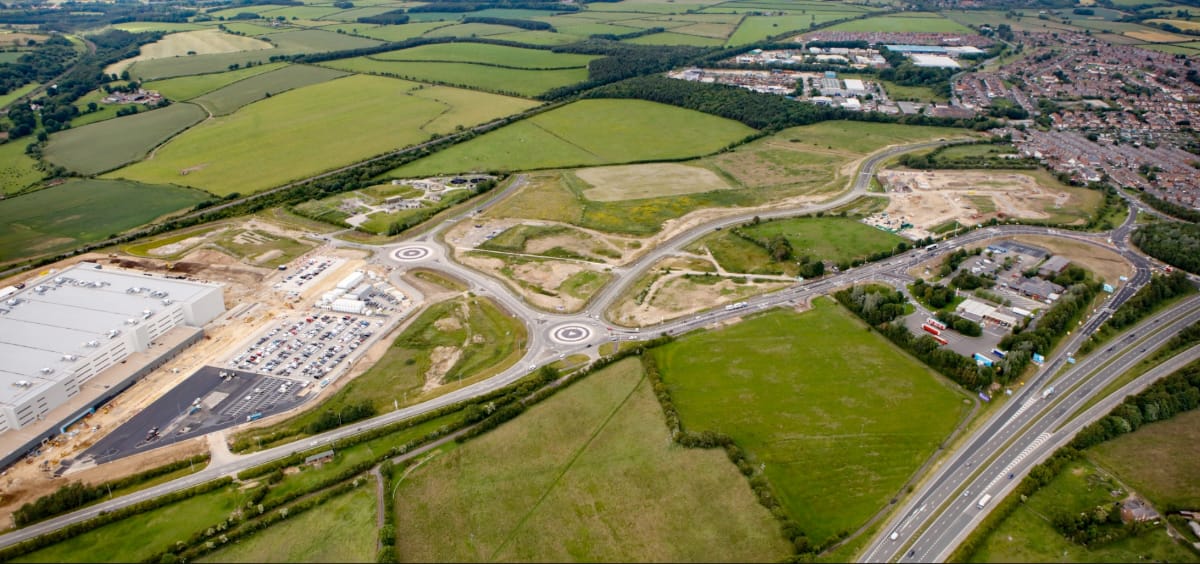
Sites almost always speak first. Ground conditions can introduce complexity long before the building is discussed in detail. Remediation, piling, or ground improvement works often sit on the critical path, particularly on brownfield land. Greenfield sites remove some risks but introduce others, including drainage capacity, ecology, and infrastructure provision.
Access matters just as much. Crane positioning, abnormal load routes, and delivery logistics must work within the surrounding road network. Flood risk and topography can quietly dictate what sequencing looks like before a programme is agreed.
Enabling works are often underestimated. In many cases, they shape the project as much as the warehouse itself.
Structural Strategy and Buildability
Large, uninterrupted internal space sits at the heart of most warehouse designs. Achieving it efficiently is a construction challenge, not a theoretical one.
Portal frames remain common, though hybrid solutions appear more frequently where height, loading, or future expansion push beyond standard limits. Structural choices affect erection speed, crane strategy, and how quickly other trades can follow on.
Floor construction carries its own weight, literally. High racking loads and automated systems demand tight tolerances and disciplined sequencing. Joint layout, curing time, and protection all influence performance long after handover.
Buildability is not an abstract concern here. It shows up on site, day after day.
Power, Utilities, and Energy Infrastructure
Power is rarely the easy part of warehouse construction projects. Modern warehouses pull more load than many sites were ever designed to support. Automation, refrigeration, EV fleets, and extended operating hours all increase demand. Grid connection timelines often start shaping the programme before the frame is finalised.
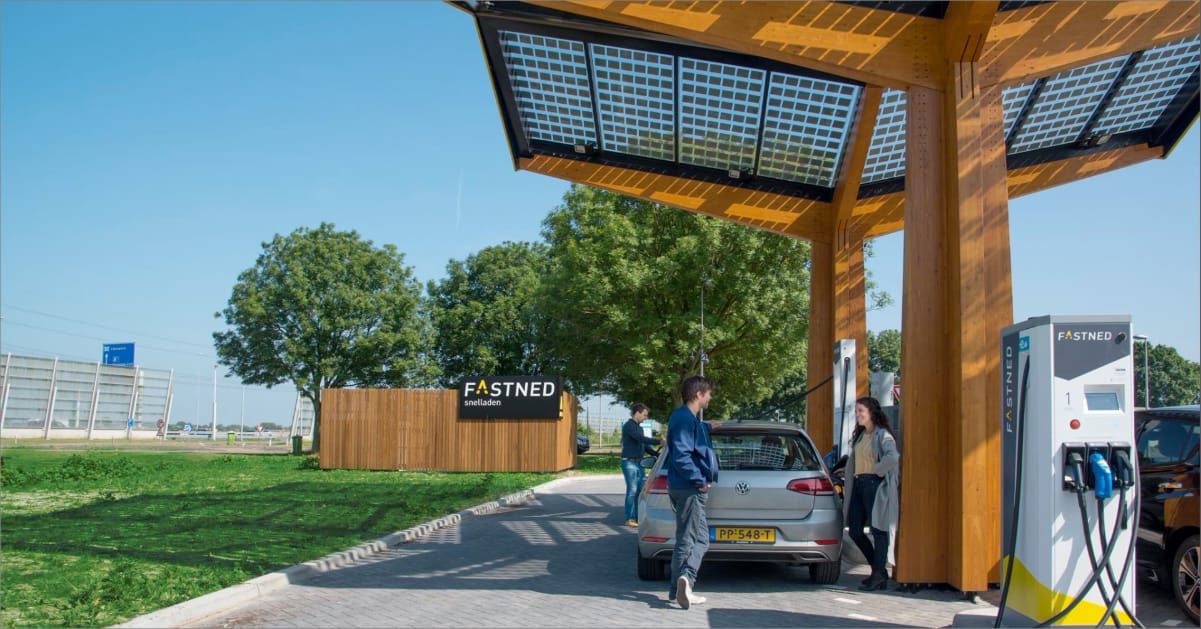
On-site energy systems are now common. Solar PV, battery storage, and EV charging bring long-term benefits, but they also introduce interfaces between civils, electrical works, and commissioning. If those interfaces are not resolved early, pressure tends to surface late.
Utilities coordination extends beyond electricity. Water, drainage, data, and specialist systems all compete for space and sequencing. Where they collide, programmes slip.
Fire Strategy, Compliance, and Insurance Requirements
When it comes to fire strategy, compartment sizes, suppression systems, access routes, and smoke control all influence layout and structure. Insurer requirements often go further than minimum regulatory standards, particularly in high-bay storage environments.
Approval sequencing matters. Testing, inspections, and certification can dictate when areas become usable. If those processes fall out of step with construction progress, the impact is immediate.
Fire strategy is not something bolted on at the end. It shapes the building from the inside out.
Programme Phasing and Delivery Sequencing
Warehouses are rarely built in isolation, with some sites requiring phased completion. Others sit alongside live operations, shared yards, or active infrastructure. Early works, utilities installation, and structural erection must line up with specialist trades and external stakeholders.
Weather exposure, material lead times, and site logistics all feed into sequencing decisions. On larger schemes, congestion becomes a real constraint. Clear interfaces matter more than optimistic timelines.
Sequencing is where planning either holds together or starts to fray.
Cost Exposure and Project Risk
It’s possible certain risks appear repeatedly within warehouse projects. Ground uncertainty, power availability, and late operational changes remain common pressure points. Interfaces between structure, services, and specialist systems are where assumptions tend to be tested.
Managing those risks relies less on optimism and more on realism. Clear scope definition and early coordination reduce disruption later, particularly on infrastructure-heavy schemes.
Once construction is underway, options can quickly narrow.
Warehouse Projects Led by Construction Expertise
Warehouse developments bring together structure, infrastructure, compliance, and logistics in equal measure. Delivery depends on how well those elements are coordinated across planning and construction.
At ACS Construction Group, we work across commercial, industrial, and energy-led projects where power demand, regulatory requirements, and operational constraints shape outcomes. Experience across large-scale warehouse construction schemes and infrastructure-heavy sites informs a delivery approach grounded in buildability and sequencing.
In projects of this scale, performance is set early. Construction expertise makes the difference long before the building is complete, so start your journey and get in touch today.