Rising energy costs, grid pressure, and tightening decarbonisation targets continue to reshape how UK organisations think about power generation. As a result, businesses now face long-term decisions around energy security, price stability, and infrastructure resilience.
Onshore wind continues to feature in those conversations for one simple reason. It already works. The technology is proven, the supply chain exists, and the planning process, while demanding, is understood. That matters in an environment where uncertainty carries a real cost.
What Is Onshore Wind Power?
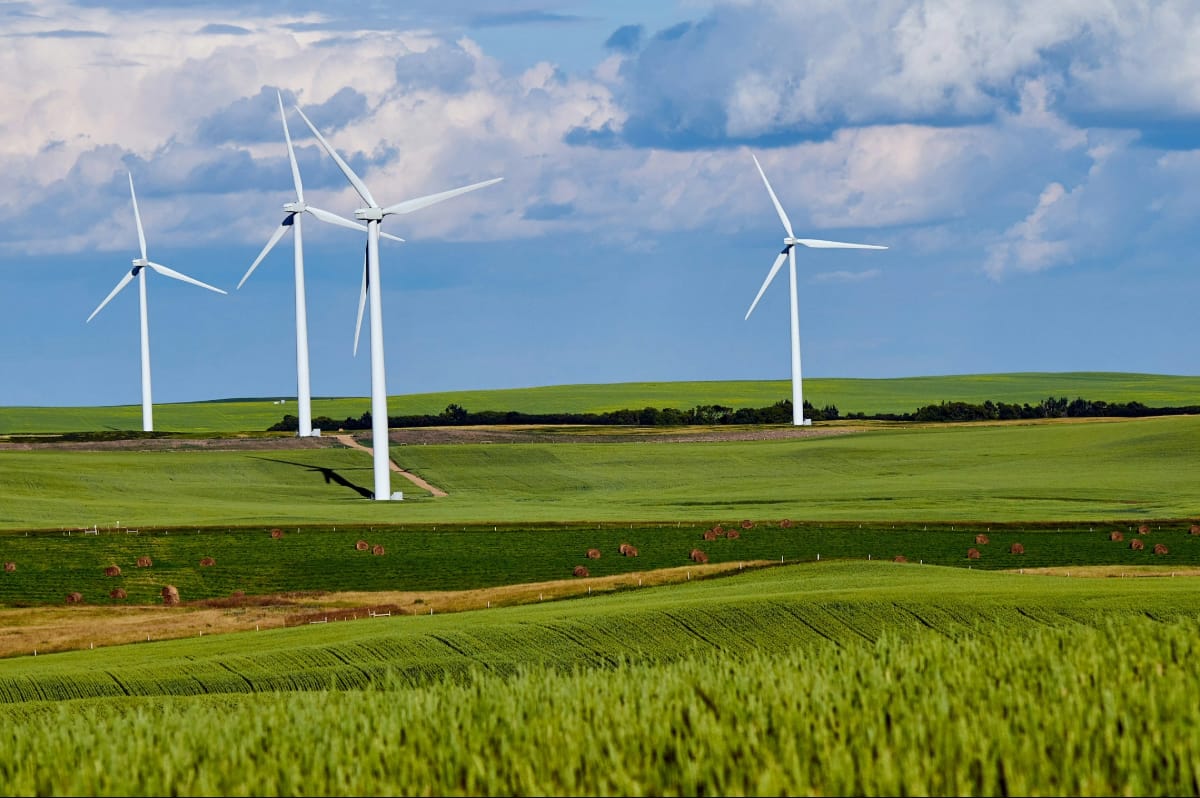
Onshore wind power uses land-based turbines to convert wind energy into electricity. Turbines are typically located in rural or semi-rural areas where wind speeds are consistent and land use can accommodate infrastructure without displacing existing activity.
Electricity generated can be exported directly to the grid, supplied via private wire arrangements, or integrated into wider energy strategies that include battery storage and other renewable assets. Compared to offshore wind, onshore projects involve simpler logistics, shorter construction programmes, and more accessible maintenance regimes.
Despite the growth of offshore wind, onshore remains highly relevant due to its scalability, predictable delivery, and suitability for commercial energy users seeking direct access to generation capacity.
Cost Exposure and Energy Control
Energy pricing volatility has changed how organisations view supply. Short-term procurement offers flexibility, but it also leaves businesses exposed to market movements they cannot influence.
Once a wind asset is operational, that exposure reduces. Capital cost is front-loaded. Ongoing generation does not depend on fuel pricing or overseas supply. Over time, that shift from variable input to fixed infrastructure changes how energy is treated within financial planning.
For sites with consistent demand, private supply arrangements and long-term purchase agreements allow energy strategy to sit alongside estate planning rather than reacting to it.
Contribution to Net Zero and Reporting Requirements
Carbon reduction targets now form part of formal reporting frameworks rather than aspirational statements. Many organisations face the challenge of demonstrating measurable progress rather than intent.
Wind generation produces electricity without operational emissions. That output can be directly attributed to business activity, supporting reductions in Scope 2 emissions and strengthening ESG reporting.
Unlike offset-based approaches, investment in generation infrastructure provides a clear audit trail. Performance is measurable, regulated, and supported by established industry standards, which simplifies long-term compliance and disclosure.
What Communities Actually See
The impact of wind development is often discussed in broad terms. But on the ground, it’s much more practical.
Construction brings skilled work into local areas, particularly across civil engineering, electrical installation, and ongoing servicing. These roles tend to sit within regional supply chains rather than transient workforces.
Many projects also include formal community benefit arrangements. Funds support local initiatives and, in some cases, reduced electricity costs for nearby residents and businesses. These mechanisms are structured into development models rather than added as an afterthought.
Infrastructure upgrades linked to access and grid connection often remain in place long after construction activity has finished.
Planning & Land Use Considerations
Onshore wind development operates within a defined planning framework that addresses environmental impact, visual considerations, and land use compatibility. Site assessments inform layout, access, and foundation design long before construction begins.
In practice, land use rarely becomes exclusive. Farming and other activity often continue around turbine bases, allowing sites to remain productive while generating energy. Modern turbine design has also reduced operational noise and visual impact compared with earlier installations.
Experience matters here. Understanding how planning requirements translate into physical design avoids late-stage change and unnecessary delay.
Construction Is Where Risk Concentrates
Wind projects are civil engineering projects first. Foundations, access routes, crane hardstands, and drainage define whether delivery proceeds smoothly.
Grid connection frequently dictates programmes. Substations, cabling routes, and coordination with network operators introduce dependencies that need to be addressed early.
Construction input at the feasibility stage identifies these constraints before they affect programme or cost. That early visibility is often the difference between theoretical capacity and operational output.
Integration Within Wider Energy Systems
Wind generation increasingly operates as part of decentralised energy strategies. When combined with battery storage, solar assets, or private distribution networks, generation profiles can be balanced against demand more effectively.
This approach reduces reliance on peak grid supply and improves flexibility for commercial users. Infrastructure designed with integration in mind also supports future expansion as energy requirements change.
Delivering Onshore Wind Infrastructure
Onshore wind succeeds where planning, construction, and energy strategy align early. Buildability, grid coordination, and access are resolved before work begins rather than managed reactively.
At ACS Construction, we deliver renewable energy infrastructure across the UK, supporting onshore wind developments through civil works, grid connection, and integration with wider energy systems. The focus remains on technical control, realistic programming, and infrastructure that performs as intended over its operational life.
To discuss an onshore wind project or wider renewable energy construction requirements, speak to the ACS Construction team.